Sub-Zero Refrigerator Repair
Bosch vs Sub-Zero Refrigerator: Build, Cooling and Repairs
A Sub-Zero is a true built-in with separate cooling for the fresh and frozen sides, made to be repaired for decades; a Bosch is a quiet, efficient refrigerator, mostly freestanding, at far lower cost. Here is how they compare on build, cooling, common faults and service.
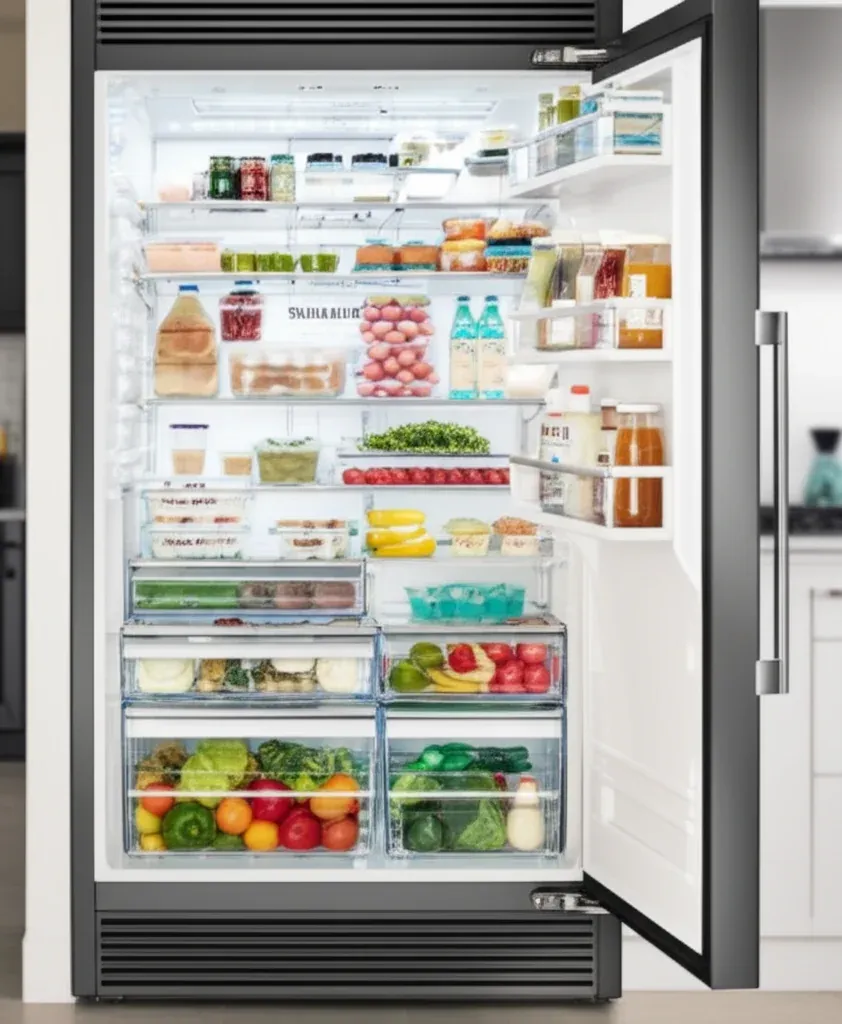
The short answer: a Sub-Zero is a dedicated refrigeration appliance built to sit flush in cabinetry and to be repaired across a long life, and its built-in combination models run two separate sealed systems, one for the fresh food side and one for the freezer. A Bosch refrigerator is a well-engineered, quiet and efficient machine at a much lower price, and most of the Bosch models people shop are freestanding or counter-depth units that share one compressor between both compartments. Either one should hold about 37°F in the fresh food section and 0°F in the freezer. The difference lies in how each gets there, which parts wear, and what a repair is worth years from now.
Neither is a bad choice, and this is not a guide that picks a villain. The two brands solve different problems. If you are planning a renovation, or replacing a unit that has finally given out, the useful comparison is not the badge on the grille. It is what sits behind the door: how the cabinet is framed, how cold air is made and moved, which components age first, and who can get you a part when one does.
Construction and how each fits the kitchen
A built-in Sub-Zero is designed around the cabinet opening rather than the floor in front of it. Its cabinet is roughly as deep as standard base cabinets, so the doors line up with the rest of the kitchen. Integrated and panel-ready models accept a custom door front that matches the millwork, and the refrigerator all but disappears into the run of cabinets. Classic built-in models carry the compressor and condenser at the top, behind the grille above the doors. That layout matters later, because it places the parts that make heat where a technician can reach them from the front.
The doors themselves are heavy, particularly with a wood panel attached, so the hinges, door closers and magnetic gaskets are sized for that load. Columns, which split refrigerator, freezer and wine storage into separate full-height units, let a designer place each one where it makes sense instead of stacking everything in a single box.
Bosch builds most of its refrigerators as freestanding appliances: French door and bottom-freezer models in standard and counter-depth sizes, usually finished in stainless steel, meant to slide into an opening and plug in. Counter-depth versions come close to the cabinet line but still stand a little proud of it. Bosch does offer a smaller group of true built-in and column refrigerators under its Benchmark name, and those are the closer match to a Sub-Zero on fit. If your kitchen has panelled cabinetry and you want the refrigerator to vanish, compare Sub-Zero with that built-in line, not with the freestanding models.
How each one keeps food cold
This is the largest practical difference between them. In a Sub-Zero combination unit with dual refrigeration, the fresh food side and the freezer each have their own compressor, evaporator and controls. Air from the freezer never circulates through the refrigerator, so the fresh side keeps a higher humidity that is kinder to produce and cheese, and freezer smells do not drift into the butter. A useful side effect is that a fault on one side usually leaves the other side cooling normally while you wait for the repair.
Most freestanding refrigerators, Bosch models among them, make cold with one compressor and an evaporator in the freezer, then push chilled air into the fresh food section through a damper and a fan. It is an efficient, proven arrangement, and Bosch executes it well; its refrigerators are generally quiet and frugal with electricity.
The trade-off of a shared system is that one fault touches both compartments. If the freezer’s defrost cycle stalls and ice builds over the evaporator, airflow to the fresh side drops as well, and the first symptom many owners notice is warm milk rather than soft ice cream.
Where each one tends to need attention
Every refrigerator wears in predictable places, and the patterns follow the design more than any difference in build quality.
Sub-Zero built-ins
The top-mounted condenser on classic built-ins draws room air through the grille, and over a few years it gathers dust and pet hair. A clogged condenser makes the compressor run long and the cabinet run warm, and having it cleaned is the simplest maintenance an owner can arrange. Gaskets wear on heavy panelled doors, especially on a column opened all day. Evaporator and condenser fans, defrost heaters and sensors, and ice makers with their water valves make up most of the remaining calls. Because each side has its own sealed system, compressor trouble usually stays confined to one compartment. Our page on how Sub-Zero built-ins tell you what is wrong walks through the signs by symptom.
Bosch freestanding models
Owners of freestanding French door units, from Bosch and from most other makers, tend to see problems around the ice and water system, frost on the freezer evaporator when defrost falls behind, and fan noise as a motor bearing ages. Electronic controls and temperature sensors show up on both brands’ repair lists. None of this signals poor engineering. It reflects a compact appliance designed to sell for a fraction of the cost of a built-in, which is exactly what many households want.
Service, parts and who does the work
Day-to-day ownership is where the two brands part company most. A Sub-Zero is built with the expectation that it will be repaired more than once: the sealed system, fans, controls, hinges and gaskets are all replaceable, and parts for models well past their first decade are commonly still obtainable. A technician who works on the brand every week also knows which part tends to fail on which generation, which shortens the visit.
Bosch refrigerators are serviced through Bosch’s own network and by many independent appliance technicians, and parts for current models are easy to order. On a lower-cost freestanding unit, though, the repair math turns sooner. A sealed-system failure can cost a large share of a new refrigerator, so many owners replace at that point instead of repairing.
Our own work is Sub-Zero refrigeration and nothing else, using factory-approved parts. A visit costs $95; that pays for the trip and a complete diagnosis, and the same amount comes off the bill once you approve the repair. If you own a Bosch, look for a technician who handles that brand regularly. The way you weigh the repair is the same either way.
Repair or replace: putting numbers on it
On a Sub-Zero built-in, the figures usually favor fixing it. These are typical costs for Greater Boston, with the firm quote given once the fault has been diagnosed:
- Door gasket or seal replacement: $270–$770
- Evaporator or condenser fan motor: $300–$650
- Defrost heater, thermostat or sensor: $310–$720
- Ice maker, water valve or supply line: $280–$720
- Electronic control board: $520–$900
- Compressor or sealed-system repair: $970–$2,190
A comparable new built-in refrigerator, counting the appliance alone before panels and installation, costs several times the top of that compressor figure. Even the costliest job on that list sits well under the price of a new unit, and replacing a built-in also brings carpentry, panel matching and installation work that a repair avoids entirely.
For a freestanding refrigerator, run the same comparison against that model’s own replacement price. A compressor job that is plainly worth doing on a built-in can be hard to justify on an appliance that costs far less new.
Choosing for your kitchen
If you are renovating, want the refrigerator to sit flush behind panels, keep plenty of fresh produce and plan to own it for a long time, a Sub-Zero built-in or a column pair is designed for exactly that job. If you want a quiet, efficient, good-looking refrigerator at a much lower price and are comfortable replacing it someday, a Bosch freestanding or counter-depth model is a sensible pick. Bosch’s built-in line sits between the two on cost and fit, and it deserves a look if flush installation matters but the budget is tighter.
Already own a Sub-Zero that is misbehaving? Have the fault read before deciding it is time for something new. A warm fresh food side beside a cold freezer, a fan that hums without moving air, or a gasket that no longer grips a strip of paper closed in the door are all ordinary, fixable problems. Our Sub-Zero refrigerator repair page explains how a visit runs. We cover Dover, Sherborn, Medfield and Westwood; see Sub-Zero refrigeration repair in Dover or call (617) 300-0906 to book.
Asked on the phone
- Is a Sub-Zero worth the extra cost over a Bosch refrigerator?
- It is worth it if you want a refrigerator that sits flush behind cabinet panels and you expect to repair it rather than replace it over many years. Separate cooling for the fresh and frozen compartments is its main working advantage. If fit and lifespan matter less to you than price, a Bosch freestanding model keeps food just as cold for far less money.
- Does Bosch make a built-in refrigerator that competes with Sub-Zero?
- Yes. Bosch sells built-in and column refrigerators under its Benchmark name, and those are the fairer match for a Sub-Zero because they are designed to fit flush with cabinetry. The rest of the Bosch lineup is mainly freestanding and counter-depth models, which stand a little forward of the cabinet line once doors and handles are counted.
- Which brand is easier to get repaired?
- Both can be repaired, but a Sub-Zero is designed around it: on classic built-ins the cooling parts are reached from the front, and parts stay available for a long time. Bosch parts are simple to order for current models, yet on a lower-priced freestanding unit a major repair often costs enough that buying a new one makes more sense.
- What does a Sub-Zero repair visit cost?
- Expect $95 for the call itself; the technician finds the fault for that fee, and it is deducted from the final bill if you choose to proceed. Typical repairs run from $270–$770 for a door gasket up to $970–$2,190 for compressor or sealed-system work, and the exact price is given after the fault is found.